A front yard sets the tone before someone even reads your house number. In Shakopee MN, that tone has to survive real winters, fast spring thaw, summer heat and humidity, and the kind of clay-heavy soil that can make simple projects feel stubborn. I’ve seen perfectly nice landscaping plans fall apart in the first season because the layout ignored drainage, or the plants were selected for looks instead of hardiness. The good news is that front-yard landscaping can look great and stay functional when you build it around how this area actually behaves.
Whether you’re planning a full refresh or just trying to clean up the edges and make the lawn look sharper, a solid approach usually comes down to three things: clear sight lines, reliable drainage, and materials that handle freeze-thaw cycles. When those pieces are in place, landscaping service in Shakopee MN becomes more than pretty plants, it becomes a system.
Start with what the site is telling you
The first time I walk a property for a front-yard plan, I’m not rushing to pick shrubs or sketch a curved bed. I’m looking at the ground like it’s a story with clues.
In Shakopee, water doesn’t always flow where people expect. Roof runoff can pour across the lawn, sprinklers can overwater one strip, and the driveway slope often funnels stormwater toward the house. Clay soil holds moisture, then releases it unevenly. That leads to two common front-yard issues: soggy spots that never fully dry and dry, sun-baked areas right next to them.
Watch where water goes after a heavy rain, even if it’s inconvenient. If you can, stand near the front walk during or right after a storm and note where puddles form, where the yard stays darker for longer, and whether the slope pushes water toward foundation areas. If you’re seeing moss patches, persistent mud, or grass that thins in one band, that’s not a fertilizing problem. It’s usually a drainage and soil structure problem.
Then I look at traffic patterns. Kids cut across the yard. Guests step off the driveway and head straight to the door. If your beds or edging force people into awkward angles, you’ll get worn grass, kicked mulch, and a layout that feels tidy for one season and sloppy the next. Practical landscaping is the kind that survives daily life.
The “front yard triangle”: curb view, entry path, and functional space
A clean front yard almost always respects a triangle of importance.
The first side of the triangle is the curb view. Your home should look composed from the street, even when you’re not standing right in front of it. That means the bed shape, plant heights, and repetition matter. A random scatter of plants rarely reads as intentional. A layered mass of greenery and bloom usually does.
The second side is the entry path. If the walkway is a focal point, the landscaping should frame it, not fight it. A straight path benefits from more structured edges and consistent plant spacing. A curved path can handle softer lines, but it still needs rhythm so the bed doesn’t turn into a vague blob of green.
The third side is the functional space. This is the part people forget because it’s less photogenic. The mower has to pass cleanly, the string trimmer has to reach along the edging, and homeowners need a place to put a trash can or a grill for an afternoon without stomping the same plants every time.
This is where landscape edging Shakopee MN can make a surprising difference. Good edging gives you a boundary that mowing crews can follow without cutting into mulch beds or trimming into roots. It’s one of those details that doesn’t impress visitors in a single moment, but it keeps the yard looking maintained week after week.
Choose materials that match the freeze-thaw reality
Front-yard landscaping in Shakopee MN gets tested by winter. Freeze-thaw cycles lift loose materials, crack some surfaces, and settle others. If you choose materials that aren’t suited for clay and moisture, you’ll spend the next https://www.google.com/search?kgmid=/g/11v135lpjt season redoing what should have been a one-time effort.
Stone is durable, but not all stone is equal. Bigger units with solid base preparation tend to hold alignment better than small pieces placed without proper bedding. Pavers can look sharp, especially around walkways, but they need the right base and leveling so they don’t heave. Timber edging is popular because it’s affordable, yet in wet soil it can rot faster than people expect unless it’s properly treated and installed with drainage in mind.
Mulch is also not “set it and forget it.” In humid summers, mulch can stay too wet, and in winter it can insulate pests or allow heaving if it sits against vulnerable edging. A consistent mulch depth and clean edging lines help it break down at a controlled pace instead of turning into a sloppy, compacted mat.
If you’re considering a full refresh, landscaping design installation Shakopee services are worth it because installation quality often matters more than the list of plants. The same design idea can look amazing or average depending on grading, base work, and the way beds are built so they don’t erode during spring storms.
Plant selection: think in layers, not in singles
A front yard tends to look “finished” when it has layers. That means a mix of low groundcover or border plants, medium shrubs, and maybe one or two taller features that anchor the composition.
In this region, hardiness matters, but so does maintenance level. A yard with delicate plants might look spectacular for a short period and then get swallowed by weeds or struggle through winter. On the other hand, a yard filled only with tough, utilitarian shrubs can look flat and repetitive.
The best approach I’ve seen for Shakopee is selecting shrubs and perennials that share similar sun and moisture needs, then placing them so the bed reads well at different distances. If someone stands on the driveway, they should see structure. If they step closer, they should see texture and seasonal interest.
You can also build in “visual continuity” so the yard doesn’t depend on a single spring bloom. That might mean evergreens for year-round shape, grasses for summer movement, and perennials that extend color into late season. Even if you’re not trying to grow a show garden, this kind of planning makes the front yard look alive longer.
If you’re working with a lawn that’s uneven or thin, consider letting some parts of the front yard become intentional planting zones. You don’t have to fight grass everywhere. A well-placed bed can reduce mowing stress, improve drainage, and make the lawn look healthier by removing the most problematic strip.
Where lawn care fits into the landscaping plan
Many homeowners treat landscaping and lawn care as separate projects. They shouldn’t. In practice, your plant beds, edging, and mowing routine are linked.
A front yard with narrow edging gaps or beds too close to sidewalks becomes a trimming nightmare. Crews end up cutting into mulch, leaving grass untrimmed, or shaving the edges so the bed boundary disappears. Over time, that turns a designed front yard into a “nice idea that never stays neat.”
This is where lawn mowing service Shakopee can be a helpful part of the overall system. When mowing is consistent, it keeps grass from encroaching on beds and helps homeowners maintain sharp lines without having to spend every weekend trimming. Even the best installed edging needs routine upkeep, or weeds and grass fill in the boundary.
A practical rule I use when planning: design for maintenance you will actually keep up with. If you know you’ll rarely mow more than once a week during peak season, build a layout that can tolerate that schedule without looking messy. If you’re hiring mowing, make sure the mowing crew is comfortable navigating the bed shapes and trimming clearances. The yard should be maintainable, not just beautiful at install.
Edging and bed boundaries: the difference between “finished” and “fading”
Landscape edging is one of the most visible elements in a front yard, and it’s also one of the elements that takes the most daily abuse. Snow plows, weed whips, foot traffic, and lawn mowers all touch that boundary at some point. If it’s weak, everything looks weaker around it.
When edging is installed correctly, beds hold their shape and mulch stays where you want it. The grass line becomes crisp. You don’t get mulch spilling onto the lawn like a slow leak. And in a climate like Shakopee’s, where winters can move loose materials, properly installed edging helps keep the bed boundary from migrating.
There’s also a hidden benefit: edging supports better weed control. When beds have a stable boundary, you can maintain mulch depth without constantly scooping it back. That reduces weed pressure at the edge and helps your front yard look intentional longer.
If you’re upgrading edging, it’s worth coordinating it with your grading. A bed boundary that sits slightly too high can trap water at the edge. One that sits too low can turn into a mud line during storms. The goal is a consistent profile that sheds water away from the house and toward appropriate drainage areas.
Don’t ignore trees, even if they aren’t the problem yet
Front yard landscaping often starts with shrubs and lawn, and then you notice the trees. In Shakopee MN, mature trees are a blessing, shade can make your yard more comfortable, Landscaping service in Shakopee MN and they create a natural backdrop. But trees also complicate mowing, drainage, and bed design.
Tree roots compete with plantings, especially along the front foundation line. Leaf drop can bury small perennials and suffocate grass. If a tree canopy blocks morning sun, plant selection needs to adjust. If you don’t plan for that, you get recurring dead zones in the lawn and beds that look patchy year after year.
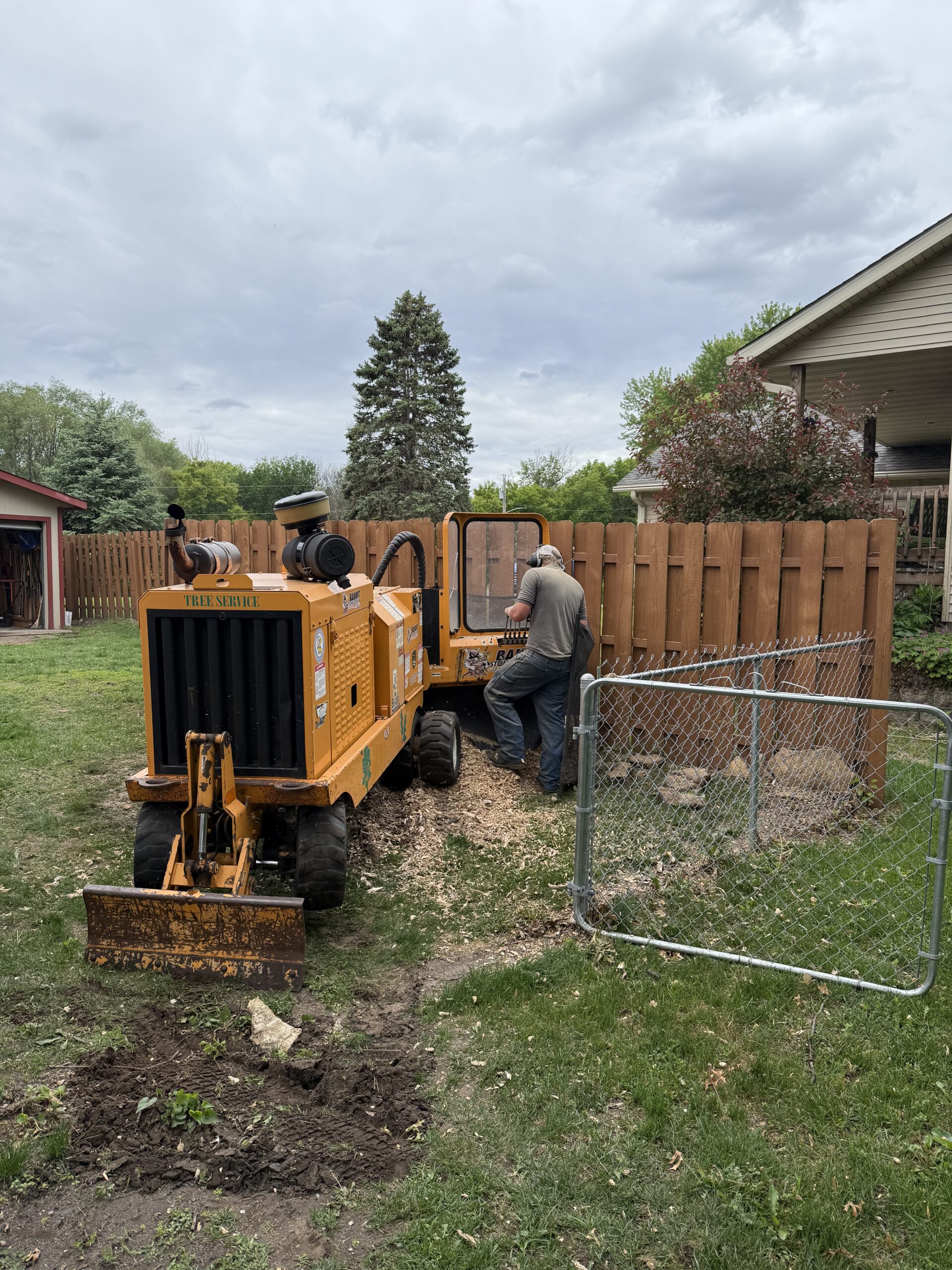
This is also where tree service in Shakopee comes in more often than people expect. Sometimes a tree just needs targeted pruning to open up light and improve airflow. Other times, there’s a safety issue with dead limbs or branches overhanging the walkway. And sometimes the best landscaping move is removing or reducing a tree that’s undermining foundation landscaping, not because it’s ugly, but because it’s making the rest of the yard impossible to maintain.
I’ve seen a front yard look “bad” for reasons that weren’t obvious. The grass wasn’t failing because it needed more fertilizer, it was failing because the tree roots were drying out the soil. The shrubs weren’t struggling because they were the wrong species, they were placed in dense shade without enough room to grow. Correcting the tree factor can be the difference between repeating maintenance and finally getting results.
If you suspect trees are contributing to drainage issues, also pay attention to how water flows around the trunk line. Thick roots can create barriers that redirect runoff. The solution might be a minor regrade, adding infiltration areas, or adjusting where beds sit relative to slopes.
A few design choices that translate well in winter
A front yard in Minnesota isn’t only judged in July. Even in winter, people walk past your home. Snow highlights shapes, not blooms. That means your bed structure should hold up when everything turns white.
Evergreens and strong branch structure help your yard look composed even during the dormant season. Grasses with upright form can look good under snow and add movement when wind moves them. Clean bed lines, especially when paired with good edging, become the visual framework that keeps your front yard from looking like a blank patch of brown grass.
If you have any exposed soil in the front yard, cover it intentionally. Winter winds and spring rains can loosen and wash it out. Mulch is the simplest option, but it should be installed with a consistent depth and not piled against stems or trunks where moisture can cause rot.
Another winter-friendly choice is spacing. Plants that are jammed too close together can create crowded masses that break down visually after storms. Plants with space for air circulation also reduce disease pressure, even if you don’t think of your front yard as a disease environment.
Getting the soil right: the unglamorous part that changes everything
I’ll be blunt, the best-looking front yard plan won’t hold up if the soil is untreated for the conditions. Shakopee soils can vary within a single block. Even two neighboring properties can have different drainage behavior depending on how they were graded and what subsoil sits underneath.
When I hear “our lawn is thin here,” I usually ask what happens after rain. If the area stays wet and grass doesn’t rebound, you’re dealing with compaction or poor infiltration. If the area stays dry and burns quickly, you might have a shallow top layer or runoff stripping away topsoil.
In many cases, improving soil means more than spreading compost. It can involve reshaping the bed profile, ensuring proper drainage, and using amendments in a way that supports root growth rather than creating a layer that traps water. A competent landscaping design installation Shakopee team should be able to talk through how the project will avoid future erosion. If the plan focuses only on plant names and not on grading and base preparation, be cautious.
What a good front yard “upgrade” project usually includes
A front-yard project can be small, like replacing edging and refreshing mulch, or big, like regrading a lawn section and rebuilding beds. Either way, the best results come from bundling the work so everything supports everything else.
A refresh often starts with cleaning up existing beds, removing dead growth, and addressing any edging that has shifted over time. From there, you can correct the bed shape, add or replace soil where needed, and install plants that match the sun and moisture conditions. If drainage is an issue, beds may need reprofiling so water moves predictably.
If you’re expanding the landscaping footprint, think about how the lawn will look afterward. Reducing lawn area can actually make maintenance easier, especially if the lawn portion is the hardest part to keep healthy. Keeping a little extra lawn in the easiest-to-mow area can make the whole yard look more consistent than trying to keep a struggling strip perfect.
If you’re also using lawn mowing service Shakopee to maintain the lawn portion, coordinate bed placement so the mower path stays clean. Your maintenance schedule and your landscaping layout should work together.
Hiring help without losing control of the outcome
When you hire a landscaping service in Shakopee MN, you’re not just paying for labor. You’re paying for judgment at the key moments, like how beds are edged, how plants are spaced, and how drainage is handled during installation.
A reliable team asks good questions. They want to see how the yard behaves after rain. They ask about how you use the space. They talk through what you want to keep, what you’re willing to change, and what maintenance you want to handle yourself.
Here are a few things I look for when vetting an installer:
- Do they discuss grading and drainage, not just plant choices? Do they explain edging and how it will hold up to mowing and winter? Do they give plant spacing expectations, including mature sizes? Do they coordinate tree considerations if shade or roots are involved? Do they talk about maintenance after installation, not just day one looks?
You do not need to know every horticultural detail to ask the right questions. You just need to recognize whether the plan is built for the realities of the site. Professional work should feel practical, not vague.
A realistic “timeline” for results in Shakopee
A front yard doesn’t become perfect overnight, and that expectation matters. During installation season, your yard may look more dramatic because plants are smaller than they will be later. In the first year, mulch and edging lines often do most of the visual heavy lifting. Plants fill in as they root.
If you’re doing a spring install, you might see faster growth, but heat stress can still happen in late summer. If you install in fall, you often get better root establishment, but you still need watering habits set up correctly while plants settle in.
If you’re planning for changes, it helps to remember that the yard will evolve. Some perennials may look modest the first season, then thicken as they mature. Shrubs may need a season to establish before they show their full form. If a crew installs plants too densely, they might look okay early and then crowd quickly. If they space too widely without enough groundcover structure, you get empty gaps.
A good install balances those trade-offs. They give you a yard that looks intentional right away, while also setting you up for a better second and third season.
How tree work and landscaping can be staged together
One of the smartest front-yard strategies is staging. Instead of doing everything at once, you can sequence work so one improvement supports the next. Tree work sometimes needs to happen first so you can adjust for light levels and canopy changes.
If you’re bringing in a tree service in Shakopee, ask about how pruning will affect sun patterns in the front yard beds. After pruning, you might realize you can grow different plants than you originally planned, or you might need to relocate a bed that becomes too dry.
Staging can also help with budget timing. A full redesign can be expensive, but a phased plan lets you correct the biggest pain points first, drainage, edging failures, and safety concerns, then add more plants later as the yard stabilizes.
Here’s a simple way to think about staging decisions without getting stuck:
- Handle safety and major overhang issues first if there’s any concern near walkways or drive lines. Fix drainage and soil profiles before planting so roots aren’t settling into washed-out areas. Install hardscape and edging so the bed boundary stays stable before plants fill in. Add the plant mass gradually if you want to spread costs while still improving appearance fast.
Common front-yard problems I see, and what actually fixes them
People often call for help because the yard looks messy. Underneath that mess, there’s usually a root cause.
One recurring issue is “edge drift,” where the bed boundary slowly shifts over time, usually because edging wasn’t anchored well or the bed profile wasn’t built to resist erosion. Fixing this isn’t just scraping and adding mulch. It’s rebuilding the edge line and making sure water drains correctly so the bed doesn’t erode back toward the lawn.
Another common issue is “shade boredom,” where plants look fine at first, then thin out because light levels change over the years as trees grow. Fixing that usually means selecting shade-appropriate plants or adjusting the tree canopy. Fertilizer doesn’t replace sun.
Then there’s “lawn strip stress,” that narrow band between driveway and bed where grass gets constantly trimmed and constantly disrupted by foot traffic. The best fix might be converting part of that strip into planting area and using edging to create a clean boundary. It reduces mowing headaches and improves overall uniformity.
Bringing it all together: a front yard that stays sharp
A strong front yard landscaping plan in Shakopee MN isn’t about forcing every square foot to look the same. It’s about creating clear boundaries, reliable drainage, and layered planting that holds up through winter and through real use.
When the edging is installed with care, lawn mowing becomes easier and your beds stay crisp. When drainage is handled early, your plants stop struggling in soggy or baked-out patches. When you respect trees as part of the yard’s design constraints, you avoid repeating the same disappointments season after season.
If you’re looking for a landscaping service in Shakopee MN, start by thinking about how you want the yard to feel and how you want it to function. Then match the design to maintenance you can actually sustain. That’s how a front yard becomes more than a project. It becomes a place that looks cared for, even on weeks when life gets busy.
And if you want a simpler next step, begin with the parts that change the yard fastest: edging lines, bed cleanup, and mowing consistency. Those are often the quickest wins, and they make everything that comes after look more deliberate.
JCJ Landscaping and Snow Removal
7 West Travelers Trail, Unit 391, Burnsville, MN(55337)
(952) 649-6655
[email protected]
Website: https://jcjpropertymaintenance.com